
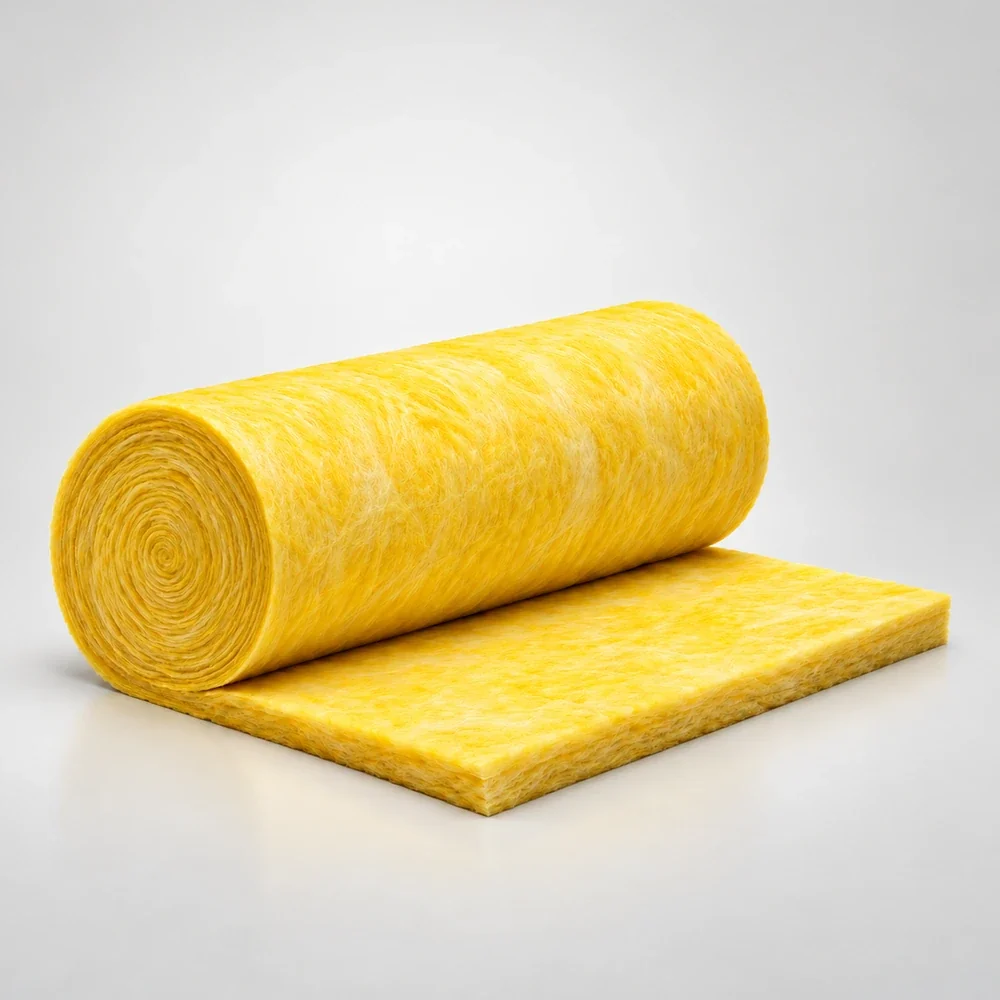
Wool with foil
What most large industrial roofs end up with.
- Glass wool roll with one side aluminium foil
- Glass wool slab with foil
- Rockwool slab with foil
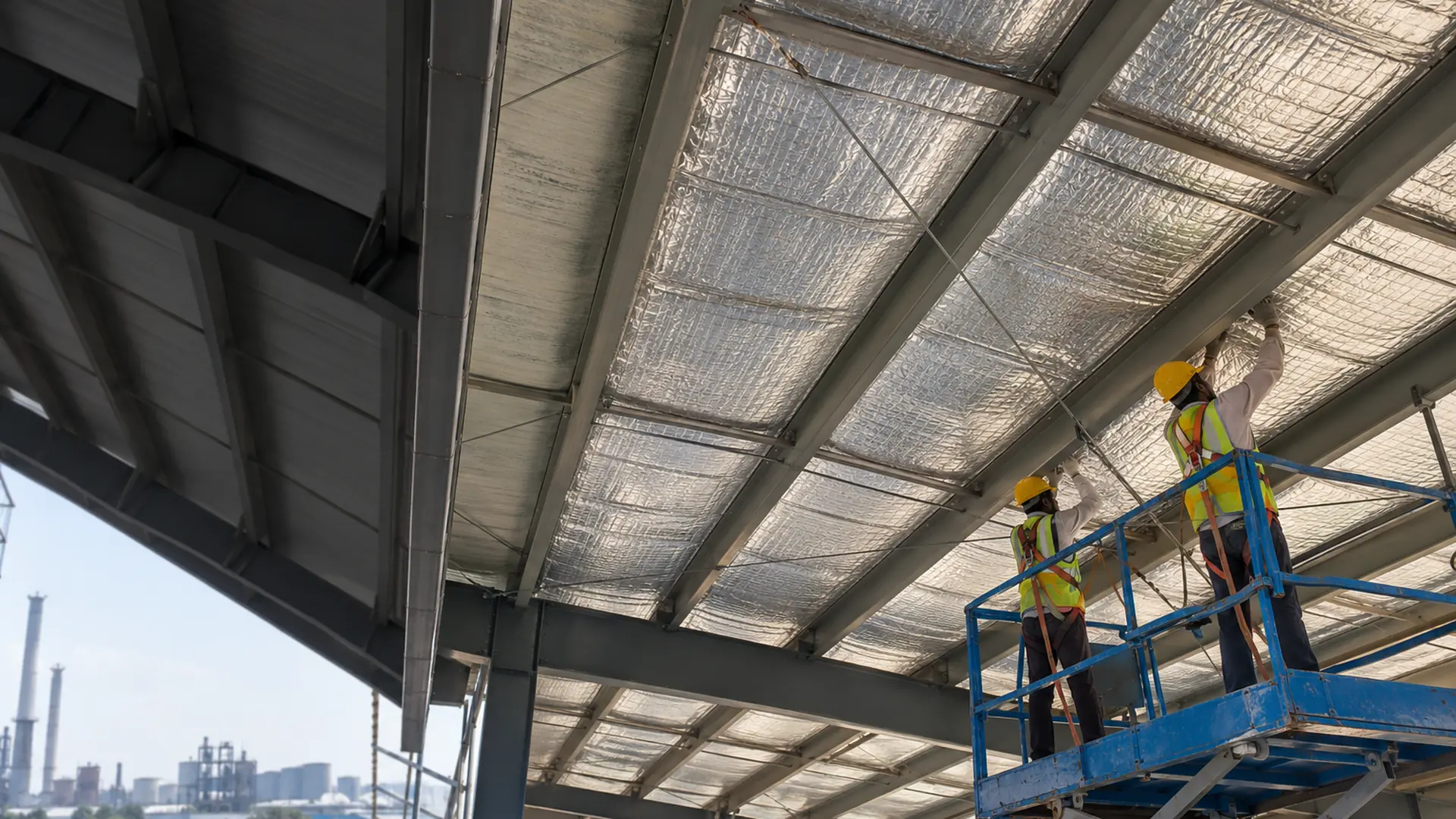
Roof decking insulation fixed up under the roof you already have, so the floor cools down and nobody needs to touch the sheeting.
Under deck insulation just means working from inside the building, underneath the roof deck. The sheeting stays put, and that's the big win. You don't get fresh leaks from opening the roof, you don't have to wait for dry weather and you don't have to shut the plant for weeks.
Once it's up, the insulation sits between the hot sheet and the people working below. We fit it with the foil facing down so it throws radiant heat back towards the roof, and the wool or bubble behind it slows down what still gets through. In practice the first people to tell you it's working are the ones on the floor, usually in the first summer after.
What most large industrial roofs end up with.
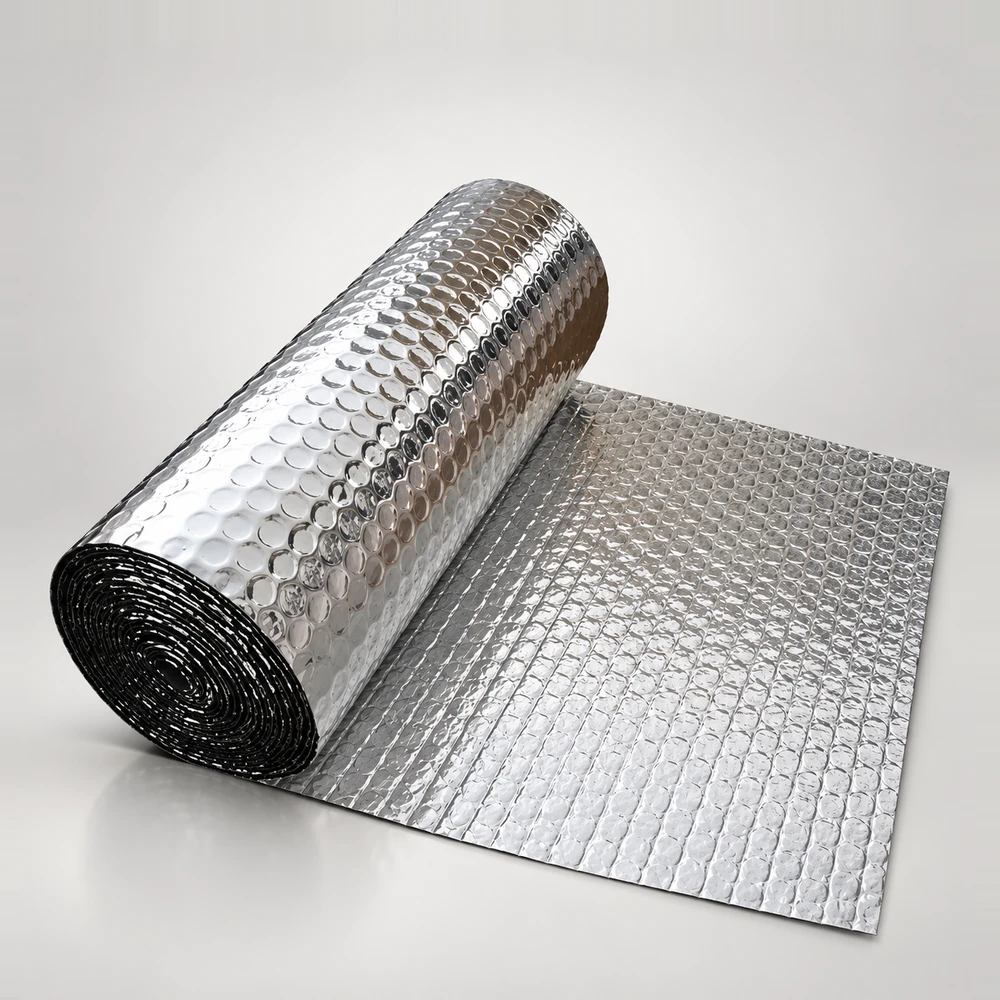
Light, quick to fit and easy on the budget under sheet roofs.
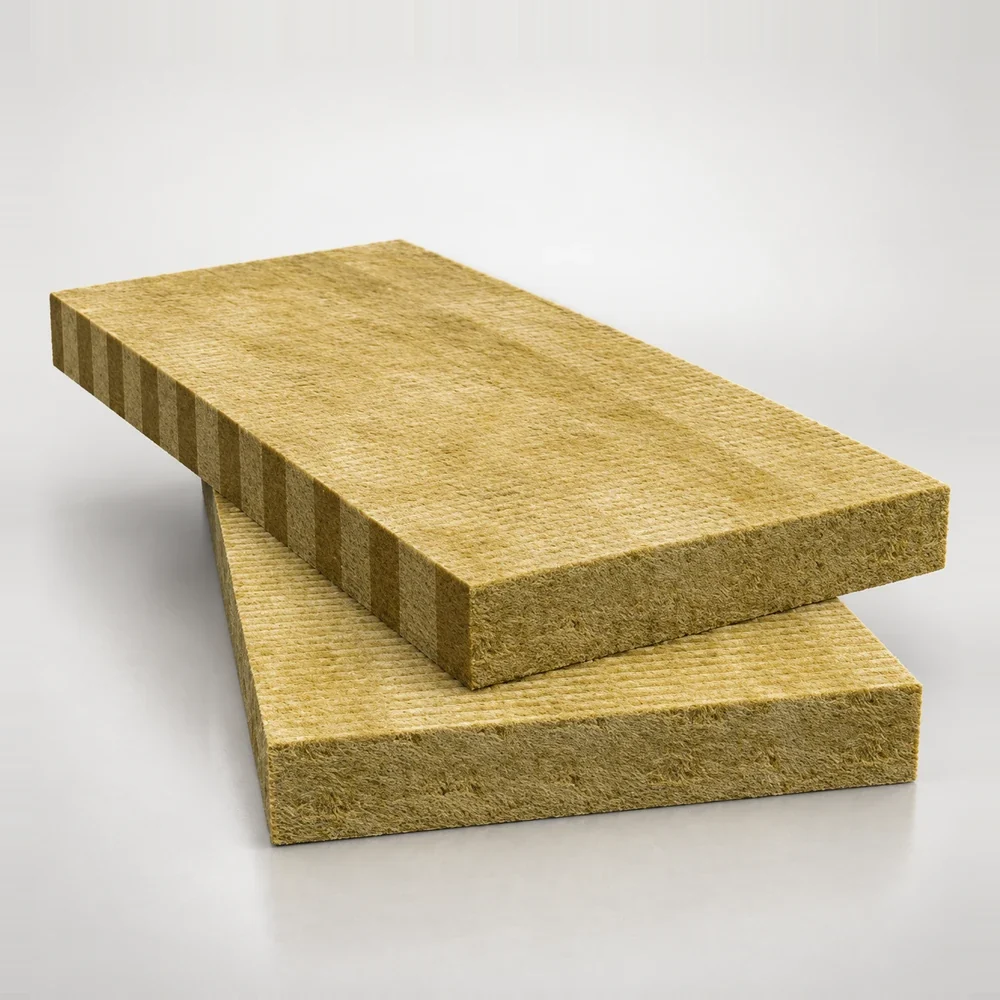
A tidier finish where people can see the underside.
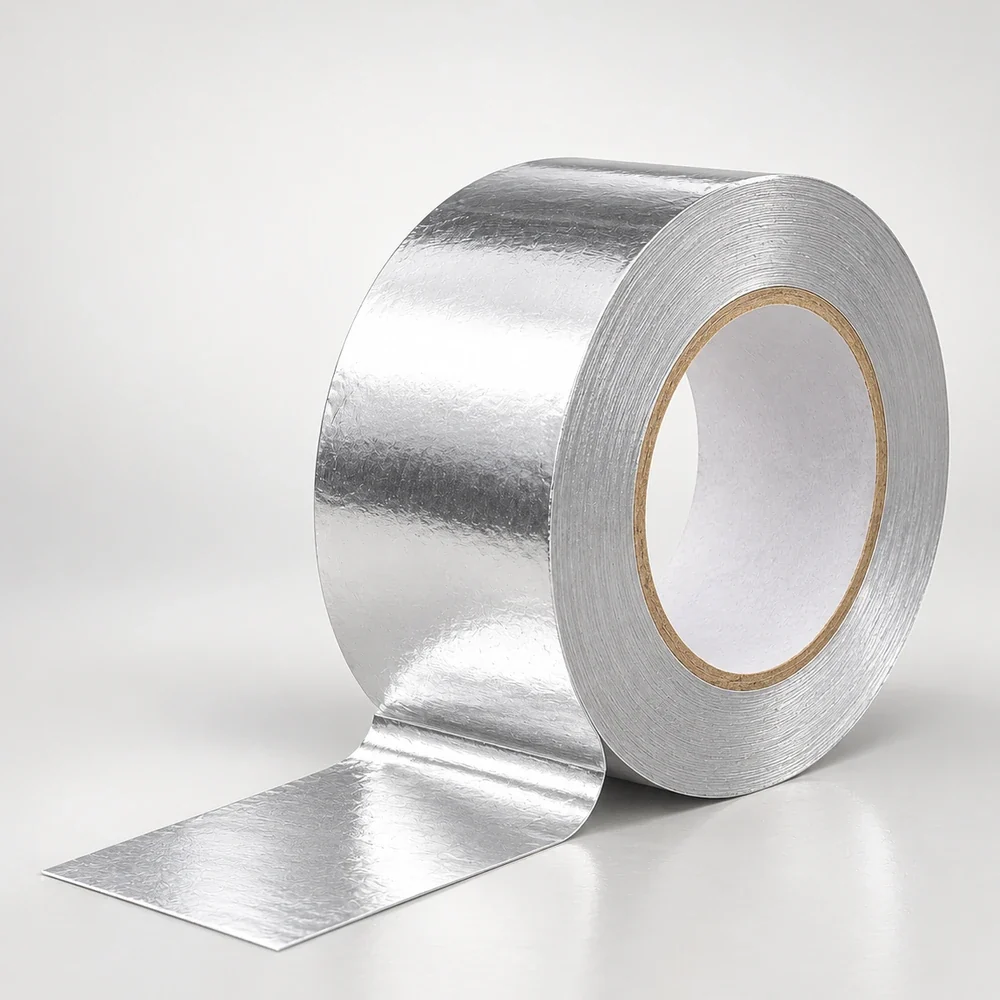
Keeps the insulation under roof sheets flat and safe.
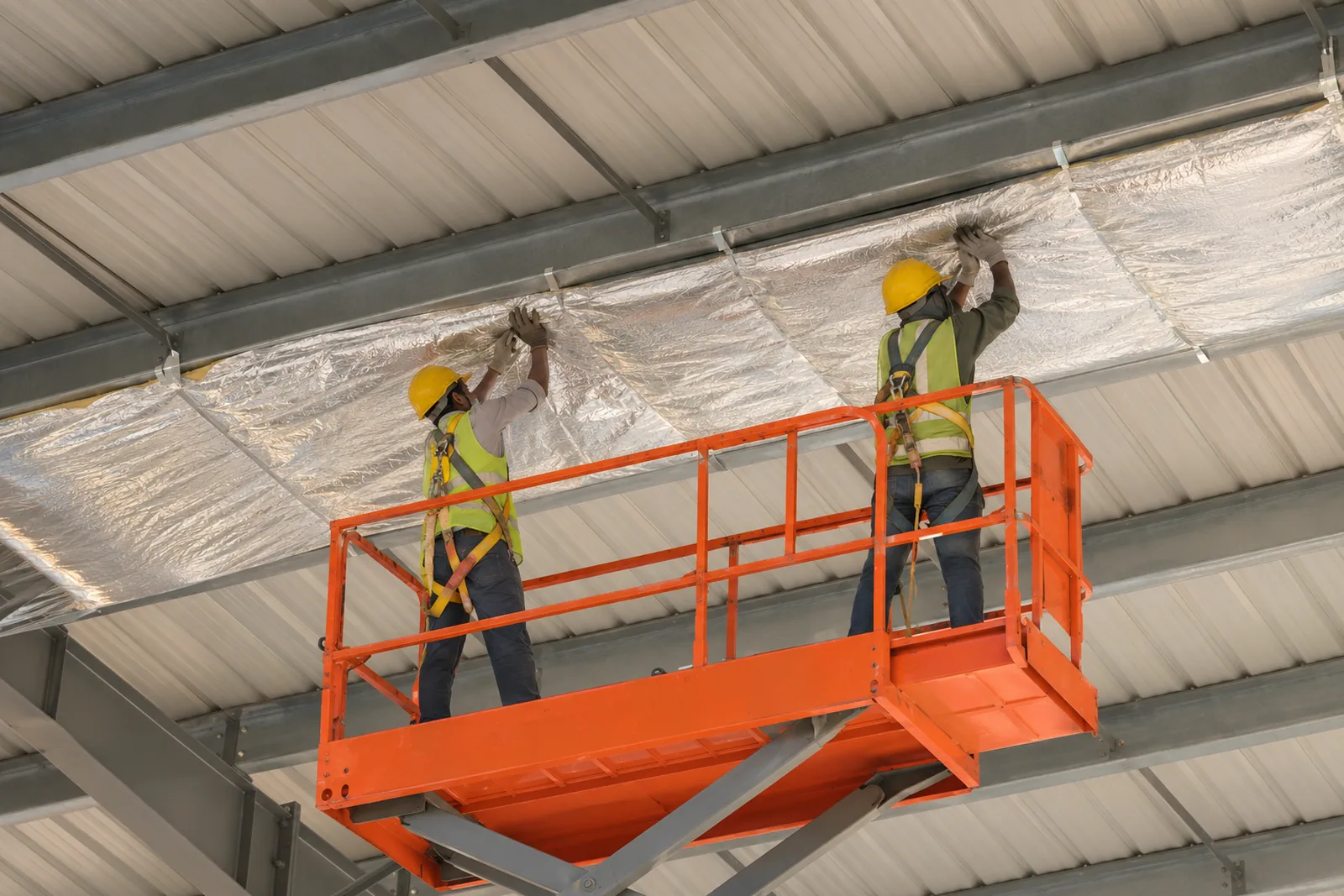
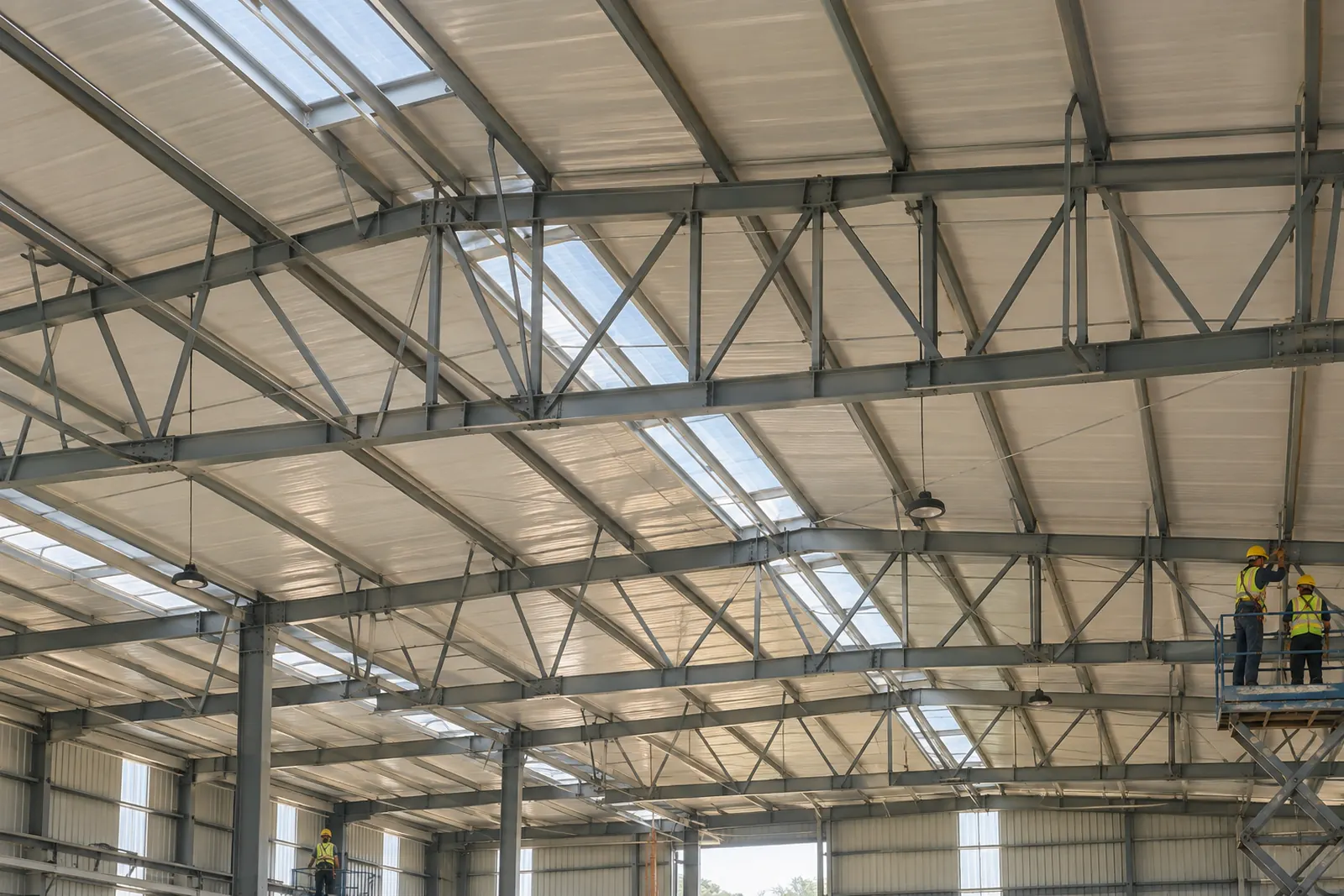
Most underdeck jobs we do are above a working line, so it's planned a bit differently from a new build. We agree with the production manager where we can start, cordon off the floor under that area, and move the lift along as each section is done. Nothing is left loose overnight.
On one ceramic unit in Morbi that came to 92,000 sq ft of PEB roof, done shift by shift without the line stopping. That's fairly typical for us, because hardly any factory is going to shut down for a roof job and we don't expect them to.
| Item | Underdeck insulation | Overdeck insulation |
|---|---|---|
| Where it goes | Under the roof sheet or slab | On top of the roof deck or terrace |
| Roof opened? | No | Yes, or laid on the terrace |
| Best for | Existing sheds and running plants | New roofs and RCC terraces |
| Weather impact | Can be done in the monsoon | Needs dry weather |
| Production | Usually continues | Depends on the roof |
How we work, the same four steps on a single line or a plant-wide shutdown.
We measure the roof, look at the purlin spacing and height, check where a lift can get in, and agree with you which sections to do first.
We write down the material, facing, fixing and finish, give you a rate per square metre and a rough bay-by-bay plan.
Material comes out of our stock, and the crew works off lifts or scaffold with the floor below closed off.
Joint measurement, photos and a written warranty when we're done.
Still unsure? Send us the duty and a few photos and we will tell you what we would fit.
It's insulation fixed to the underside of an existing roof deck, so the roof sheet stays where it is. It cuts the heat coming through the roof and it's the simplest way to get an insulated roof deck on a shed that's already built.
We've rarely had to ask anyone to stop. We take one section at a time, fence the floor under it, and the rest of the shed works as usual.
On big sheds foil faced glass wool is what we fit most. Bubble is lighter and costs less, and boards are worth it if people will be looking up at the ceiling every day. We'd suggest one after seeing the roof and hearing the budget.
No. Insulation under the roof won't fix a leaking sheet or a loose screw, so those need sorting first, though we're happy to plan both together.
Yes. Boards or faced wool can be fixed under an RCC roof slab, often above a false ceiling, to cut the heat coming into the floor below.

Roof size, height and a few photos are enough to start. We'll suggest the insulation, the fixing and a rate per square metre.
clients so far, from refineries and power plants to pharma and textile units