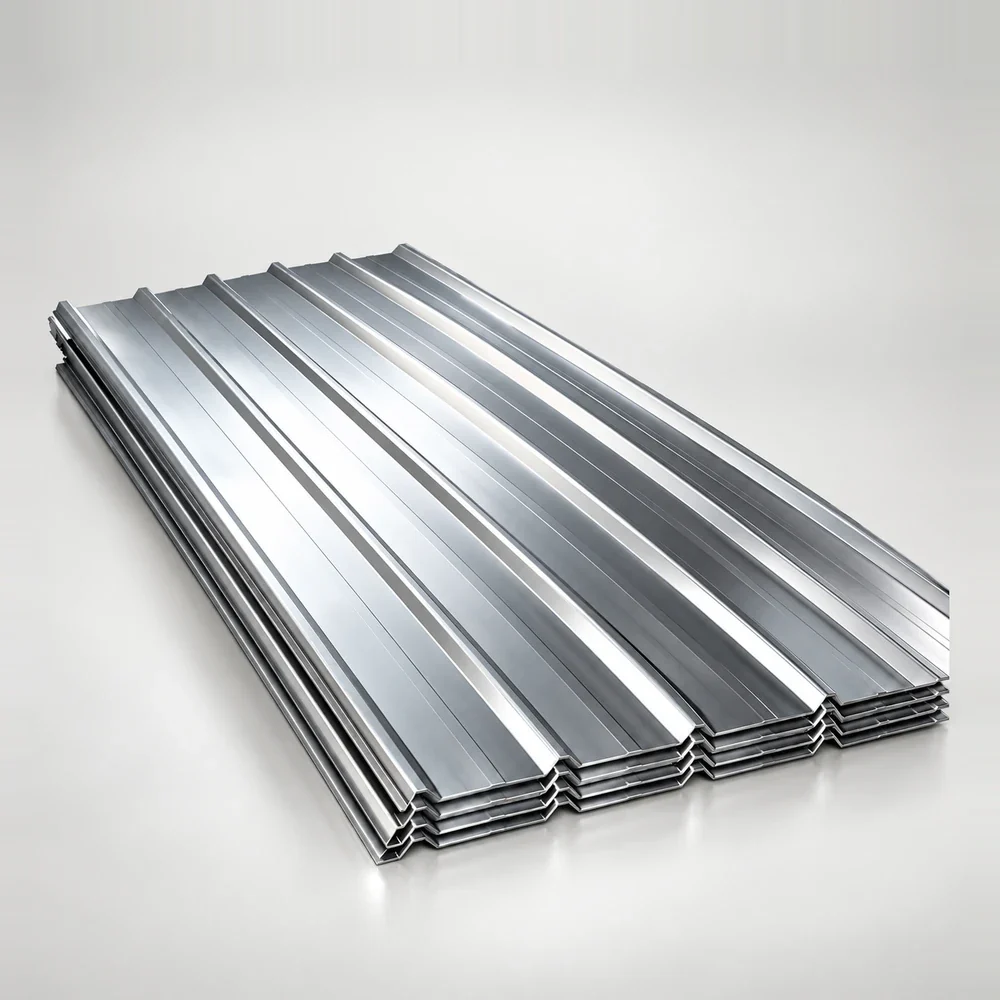
Aluminium cladding
The usual pick for pipes and equipment, light and slow to corrode.
- Aluminium plain sheet
- Aluminium stucco embossed sheet
- Aluminium with polykraft or polysurlyn moisture barrier
- Aluminium colour coated sheet
- Aluminium foil
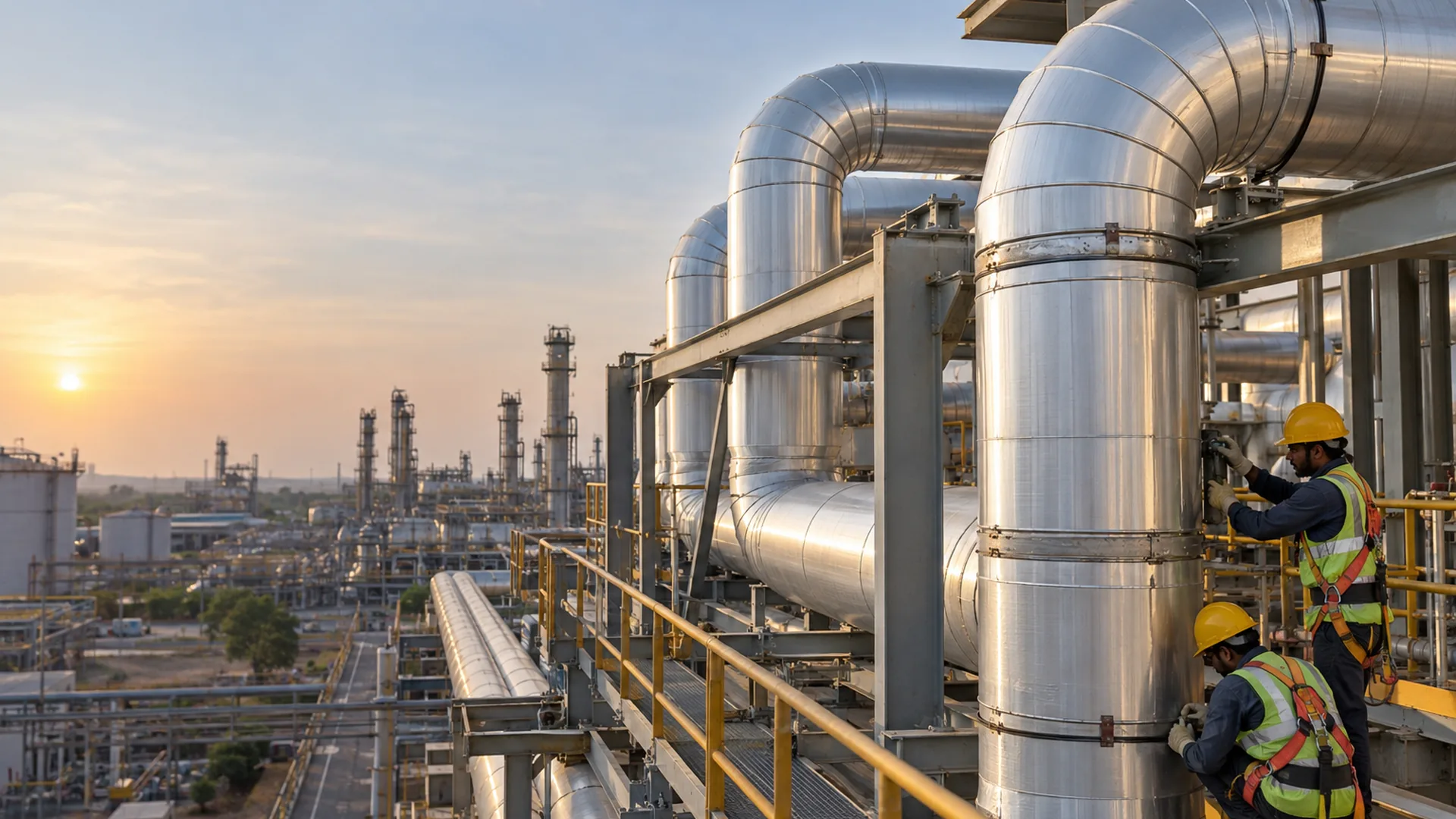
The metal jacket nobody thinks about, right up until the monsoon finds a gap in it.
Insulation is only as good as the jacket over it. Wet wool loses most of its insulating value, and once water gets in it rarely finds its way back out. We've seen outdoor lines that were well insulated but badly clad lose a big part of their value in a couple of monsoons, and underneath that wet wool the pipe has started to rust, which is worse.
Good industrial cladding is mostly about details. Laps that face downhill. Circumferential joints that shed water instead of holding it. Sealant at every penetration and bands at the right spacing. None of it's clever. It just has to be done every single time, on every line.
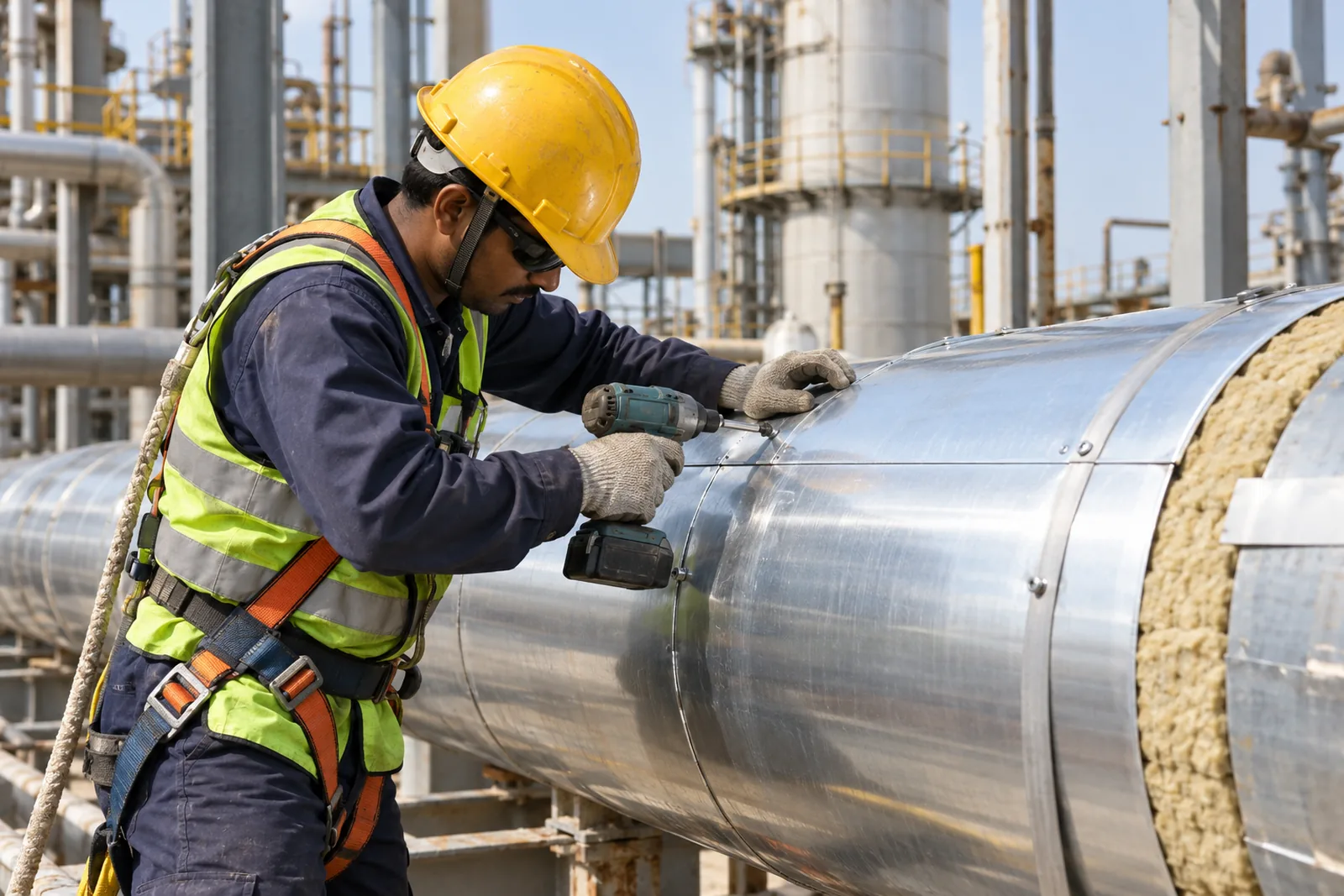
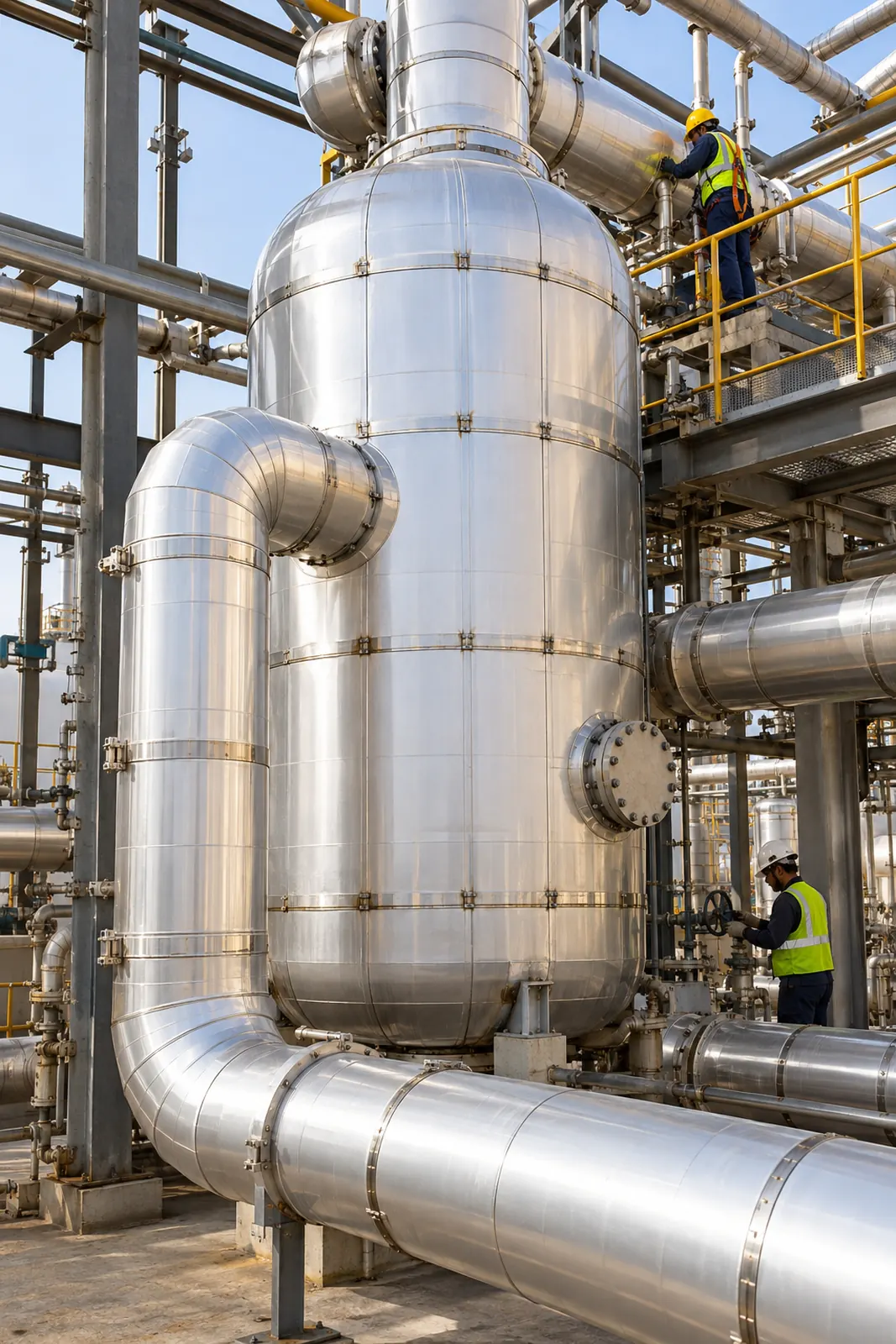
The usual pick for pipes and equipment, light and slow to corrode.
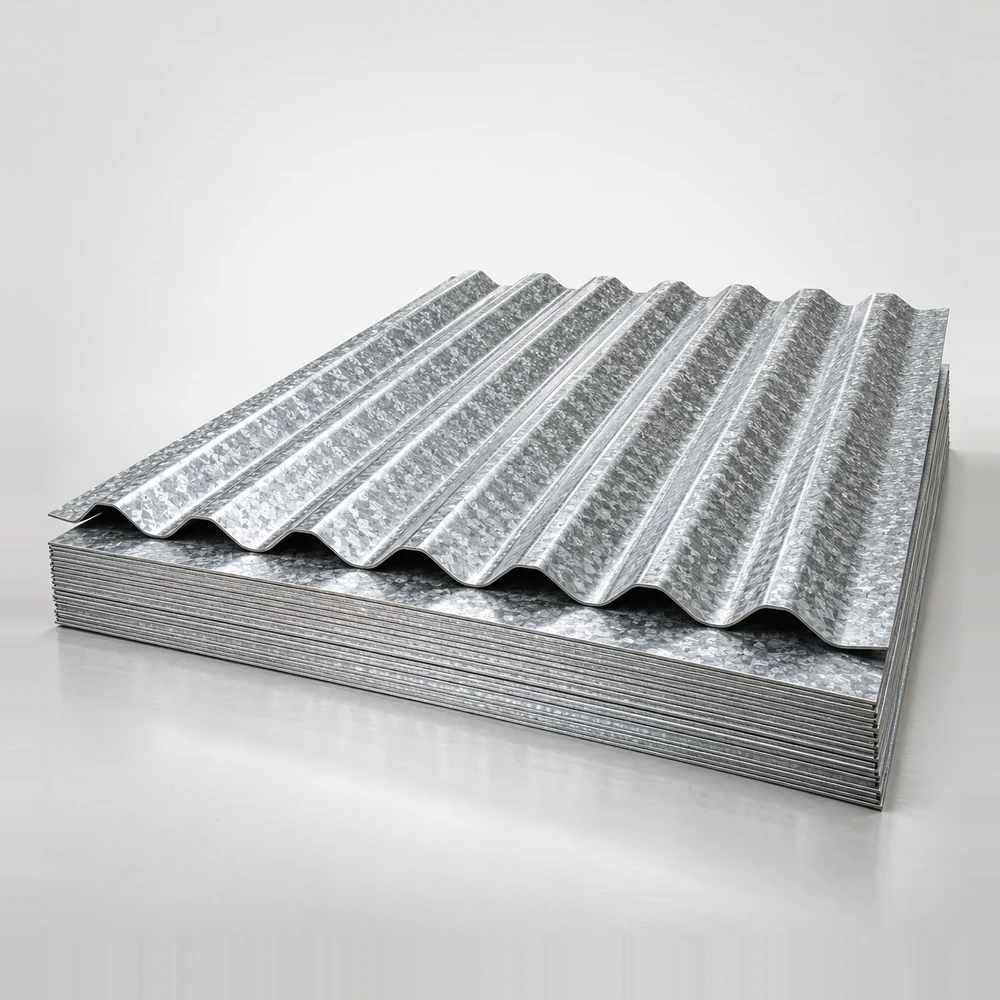
Where things get knocked about, or where you want colour.
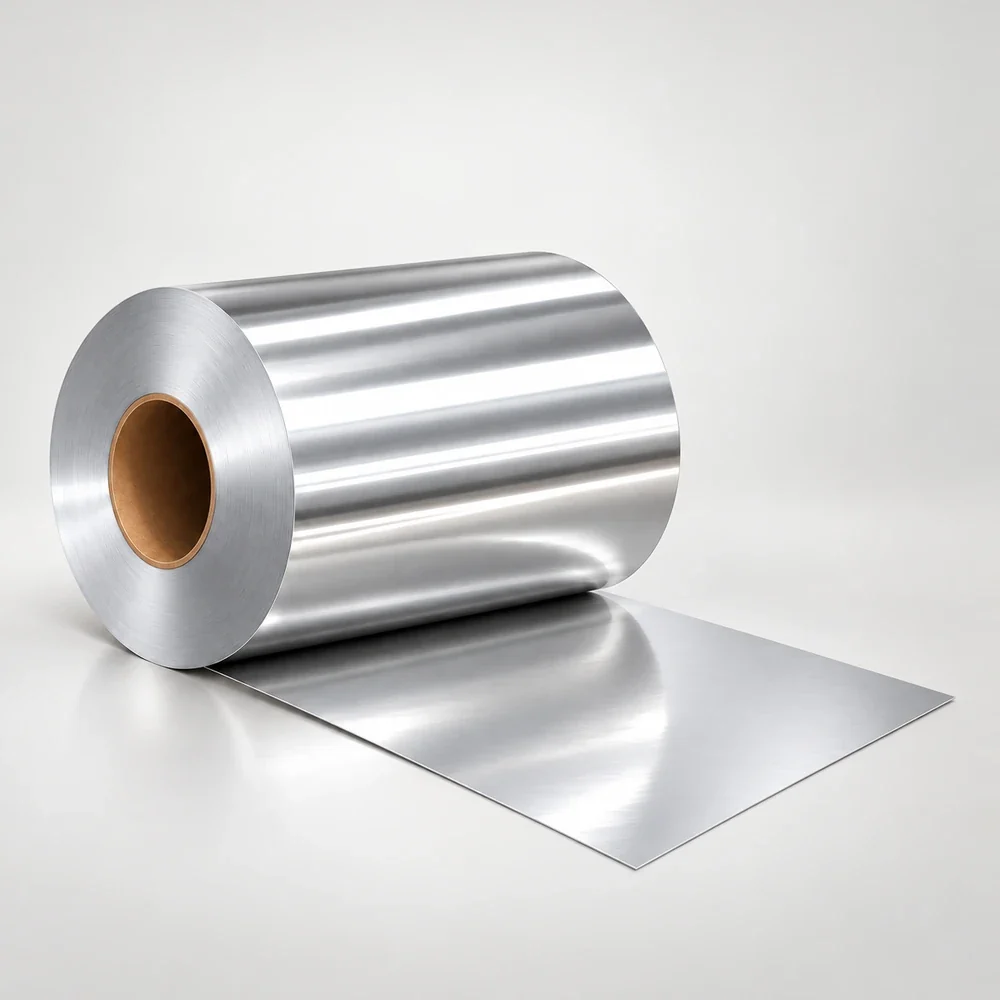
Chemical, coastal and washdown areas.
Holds the jacket on and keeps the water out.
| Cladding | Strength | Best for |
|---|---|---|
| Aluminium | Light, corrosion resistant, easy to form | Most pipes, tanks and equipment |
| GI or PPGI | Stronger against knocks, lower cost | Low level lines, walkways, coloured finishes |
| Stainless steel | Highest corrosion and chemical resistance | Chemical plants, coastal sites, food and pharma washdown |
On hot lines near the sea with aluminium cladding, we'll often specify a polysurlyn or polykraft moisture barrier on the inside face of the sheet. It stops the aluminium corroding where it touches damp insulation. It's a small cost and it adds years to the finish.
Not every tired-looking system needs new insulation. If the wool under the jacket is still dry and sound, fresh cladding can bring it back. If it's wet or crushed, it has to come out first, and we'll tell you so rather than clad over the problem. We open up a few test points before we quote, so the call is based on what's actually in there.
How we work, the same four steps on a single line or a plant-wide shutdown.
We look at the lines and equipment, where they sit and what state any existing insulation is in.
Cladding material, thickness, finish and sealing details are written down with the rate.
Sheet, bands and fixings come from our stock and our crew cuts, rolls and fits them on site.
Joint measurement, photos and a written warranty.
Still unsure? Send us the duty and a few photos and we will tell you what we would fit.
The sheet metal cladding over the insulation on pipes, tanks and equipment. Without it the insulation gets rained on, baked, splashed with chemicals and knocked about, and stops working.
On most pipes and equipment we'd use aluminium. Down low where trolleys and tools hit things, GI or PPGI is tougher. Chemical plants, sites near the coast and washdown areas usually justify stainless. Where the line is tells you most of what you need.
It goes up with the size of the pipe or vessel, and a bit with how exposed it is. Small bore lines get a thinner sheet than big headers or tank shells. We list the sheet thickness item by item on the quote so there's no guessing.
Often, yes. If the wool underneath is still dry and in decent shape we can put new cladding over it. If it's wet or squashed we'd recommend replacing it, and we open a few spots to check before quoting.
We do. Aluminium, GI, PPGI and stainless sheet, along with bands, screws and sealants, are all available as supply only from our stock.
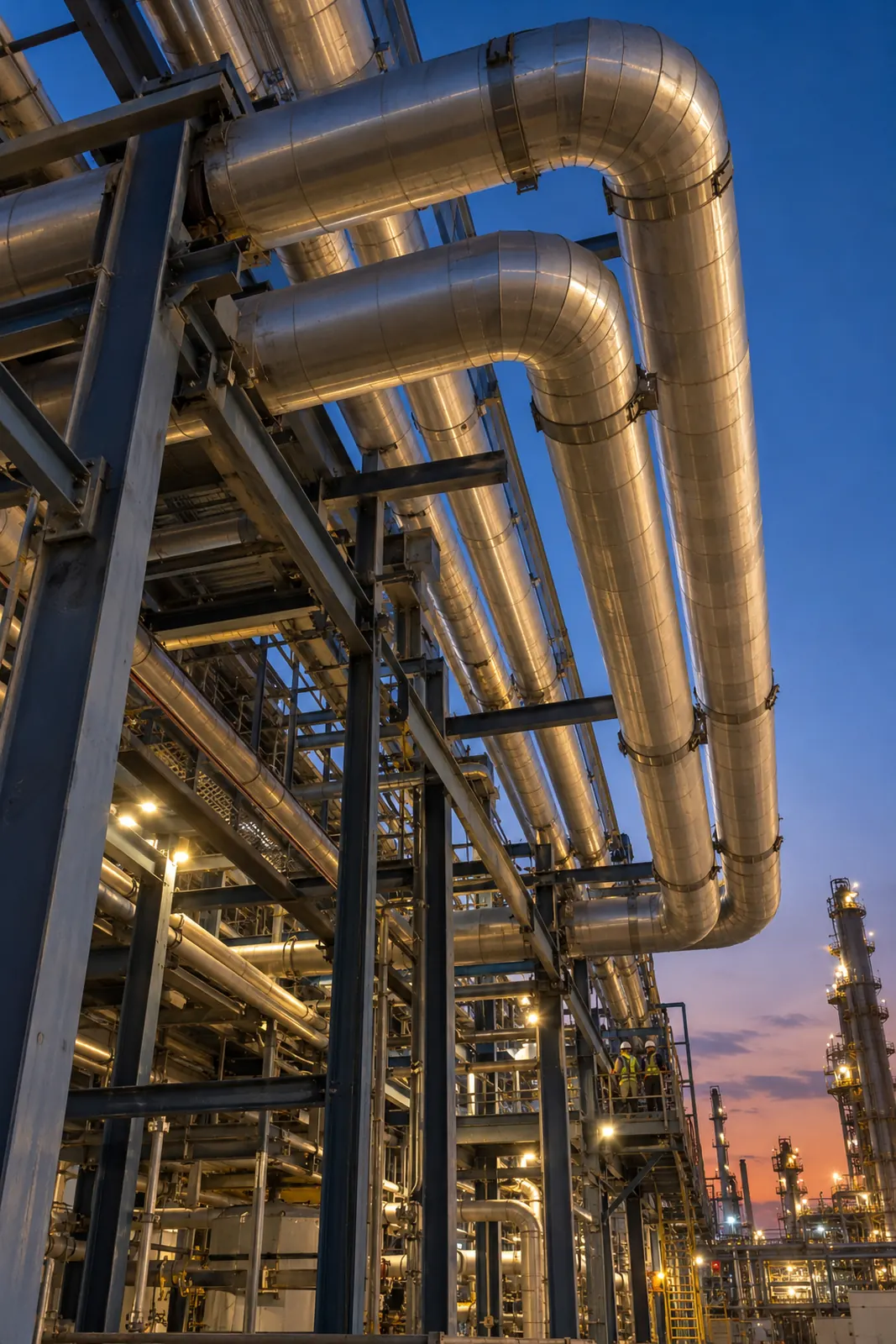
Send photos of the lines and where they are. We'll suggest the cladding material, the details and a rate.
clients so far, from refineries and power plants to pharma and textile units