
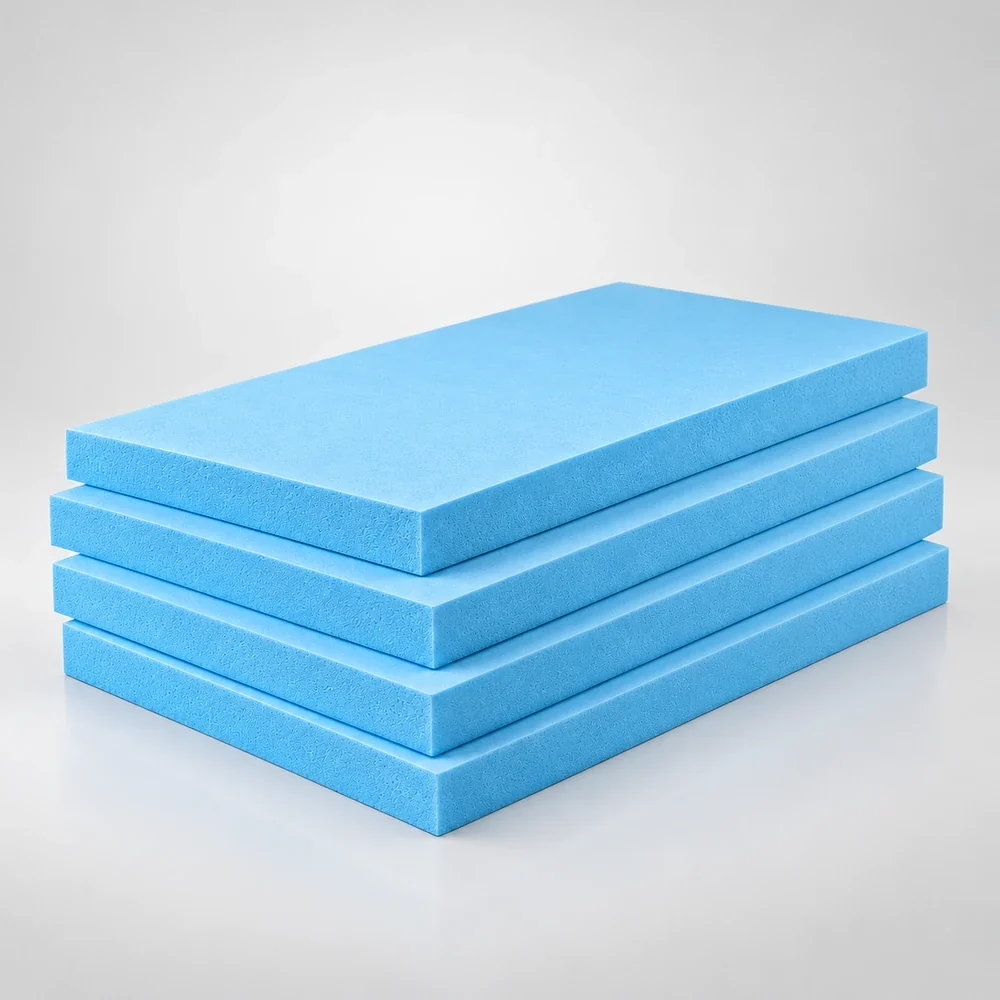
Boards for terraces
Roof insulation board strong enough to walk on and to take screed or tiles on top.
- XPS board
- EPS board (HD)
- PUF or PIR slab
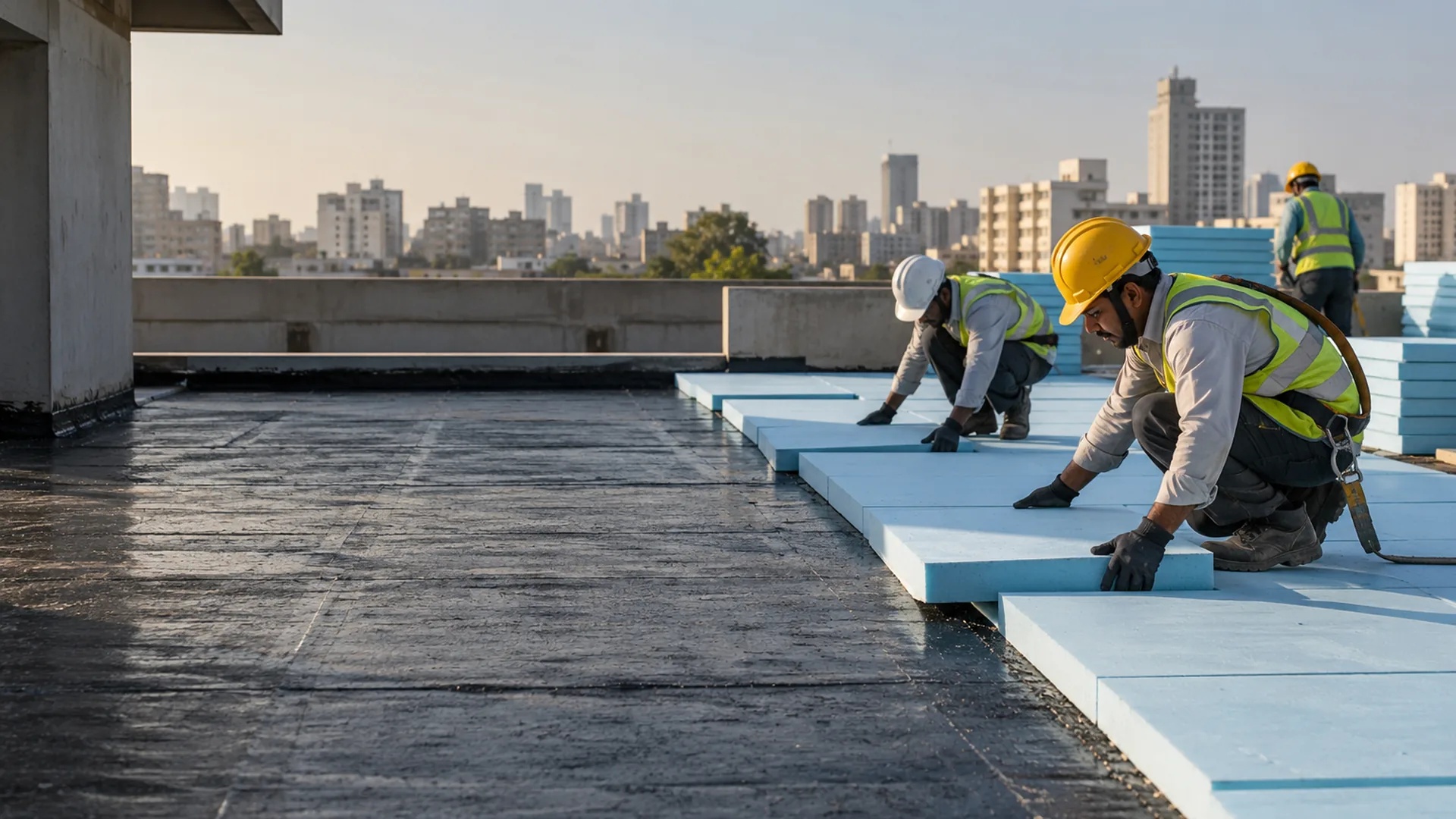
XPS, PUF, PIR and rockwool boards laid on your terrace or roof deck, with screed, tiles, membrane or sheet over them.
In plain terms, it's roof deck insulation fitted on the outside of the roof. If you've got a concrete terrace, we lay the boards on the slab and cover them with screed or tiles. If it's a metal deck, the insulation goes on the deck and a second sheet or a membrane goes over it.
The idea is simple enough. If the slab never gets hot, it can't store heat all afternoon and dump it into the room at night. That's why top floor rooms under an insulated terrace feel so different in May. The slab's protected, and so is the waterproofing, which lasts a lot longer when it isn't being cooked every afternoon.
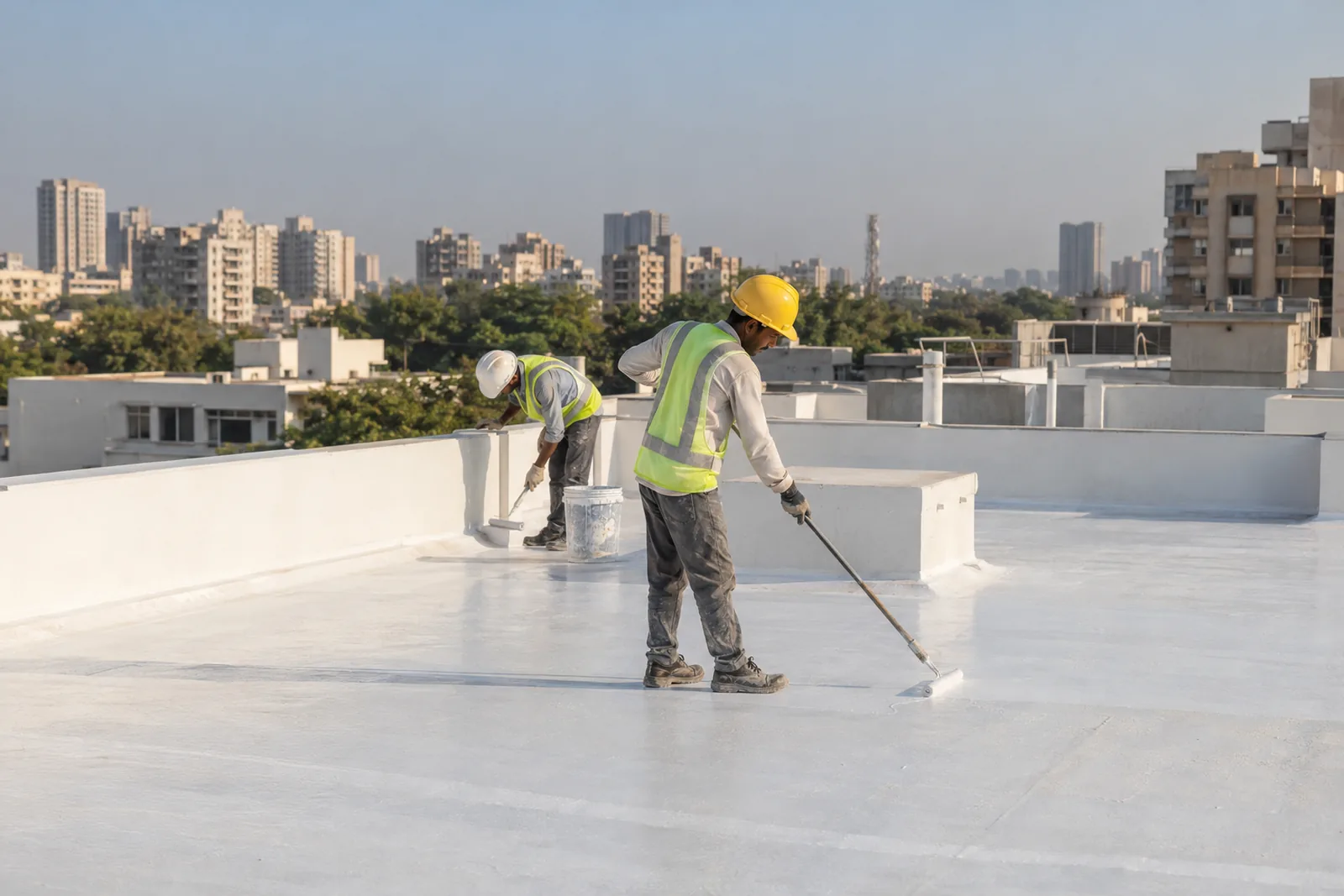
Roof insulation board strong enough to walk on and to take screed or tiles on top.
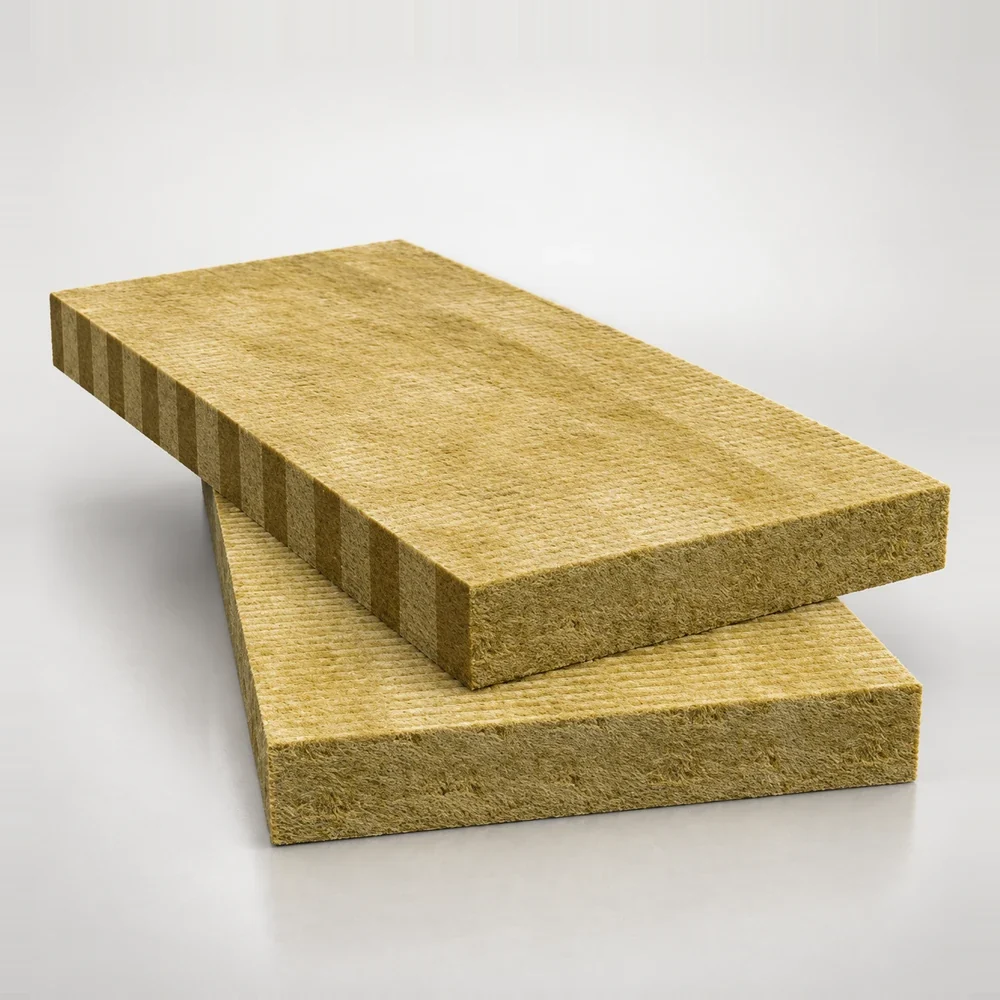
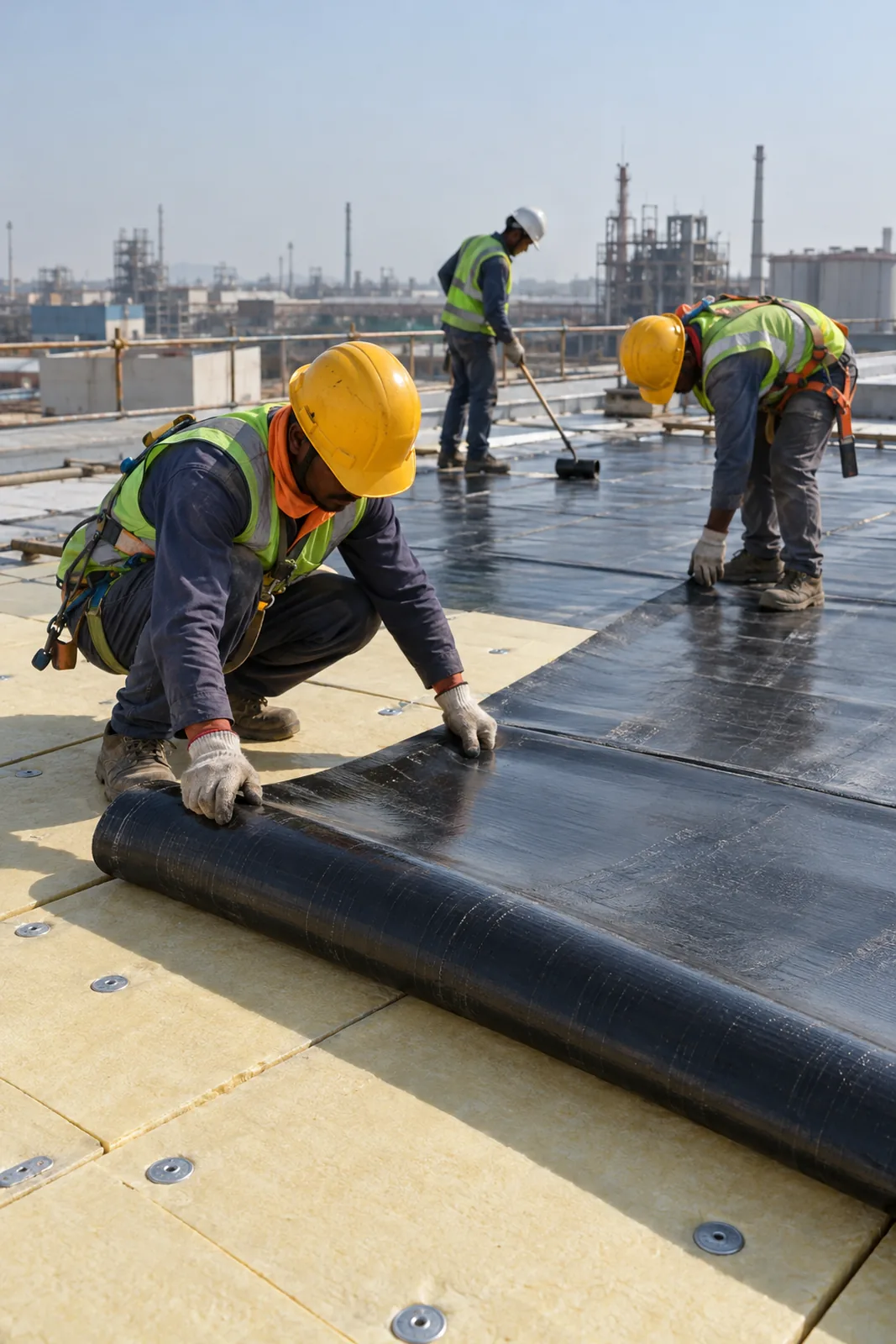
Laid over the deck under a second sheet or a membrane.

Keeps the moisture out and the boards protected.
If you're putting roof insulation and waterproofing on the same slab, they need to be planned together or one will undo the other. Boards that end up sitting in water don't insulate much, and a cracked screed lets water get down to the slab. So we look at the slope, joints and drainage before laying anything, and we do the edges and rainwater outlets last, carefully.
For terrace insulation, XPS is our usual pick. It takes foot traffic, it doesn't soak up water easily and it's light. On metal decks where fire is a bigger worry we tend towards rockwool boards. Not every roof needs the same answer, and frankly the quote ought to tell you why it says what it says.
For new roofs and RCC terraces overdeck insulation is usually the stronger option, since it protects the whole structure. For existing metal sheds underdeck makes more practical sense, because nobody has to open the roof. Not sure which your building needs? Send photos of the roof and the ceiling under it and we'll tell you straight which one fits.
How we work, the same four steps on a single line or a plant-wide shutdown.
We check the roof type, slope, drainage and existing waterproofing, and how we'll get material up there.
Board, thickness, layers and protection are written out with a rate per square metre and the dates.
Material comes from our stock and gets laid in dry weather, joints staggered and edges detailed properly.
Joint measurement, photos of every layer and a written warranty.
Still unsure? Send us the duty and a few photos and we will tell you what we would fit.
It's insulation that goes on top of the roof deck or terrace, with screed, tiles, membrane or sheet over it, so heat is stopped before it reaches the building.
XPS board is a common choice on terraces because it handles foot traffic and doesn't mind water much. PUF or PIR gives you more insulation for the same thickness. It comes down to the load, the finish and the budget.
On new roofs and RCC terraces overdeck generally performs better because it shields the whole structure. On existing metal sheds underdeck is simpler, since the roof stays where it is.
Most of the time. We'd look at the old finish and the drains, get the structure checked for the extra weight if there's any doubt, and then lay the new layers over it.
It helps the waterproofing last longer, because the membrane isn't sitting at such high temperatures. On its own, though, insulation isn't waterproofing, so we plan the two together.

Let us know the roof type and roughly how big it is, with a few photos if you can. You'll get a suggestion on the board and layers and a rate per square metre.
clients so far, from refineries and power plants to pharma and textile units