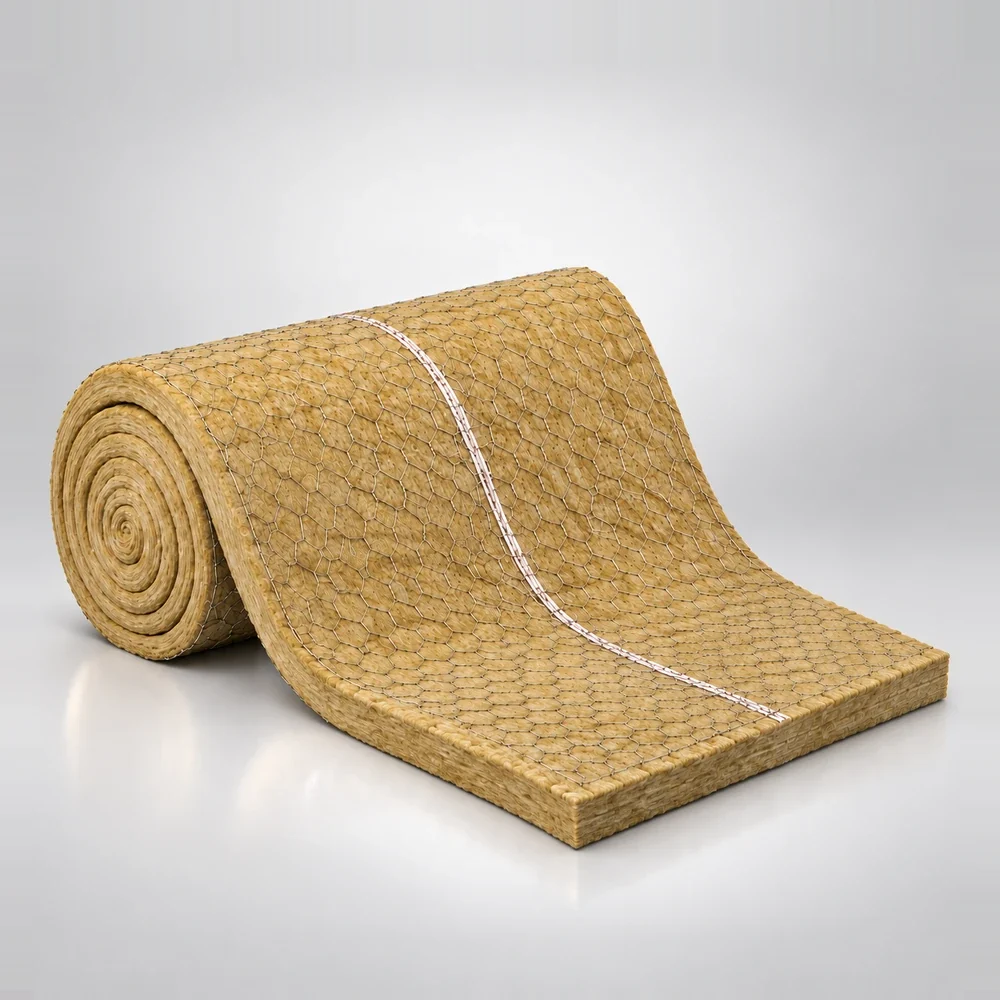
Rockwool
Walls, partitions and facades, especially where the fire rating matters.
- Rockwool slab and board
- Rockwool lamella
- Rockwool sandwich panel
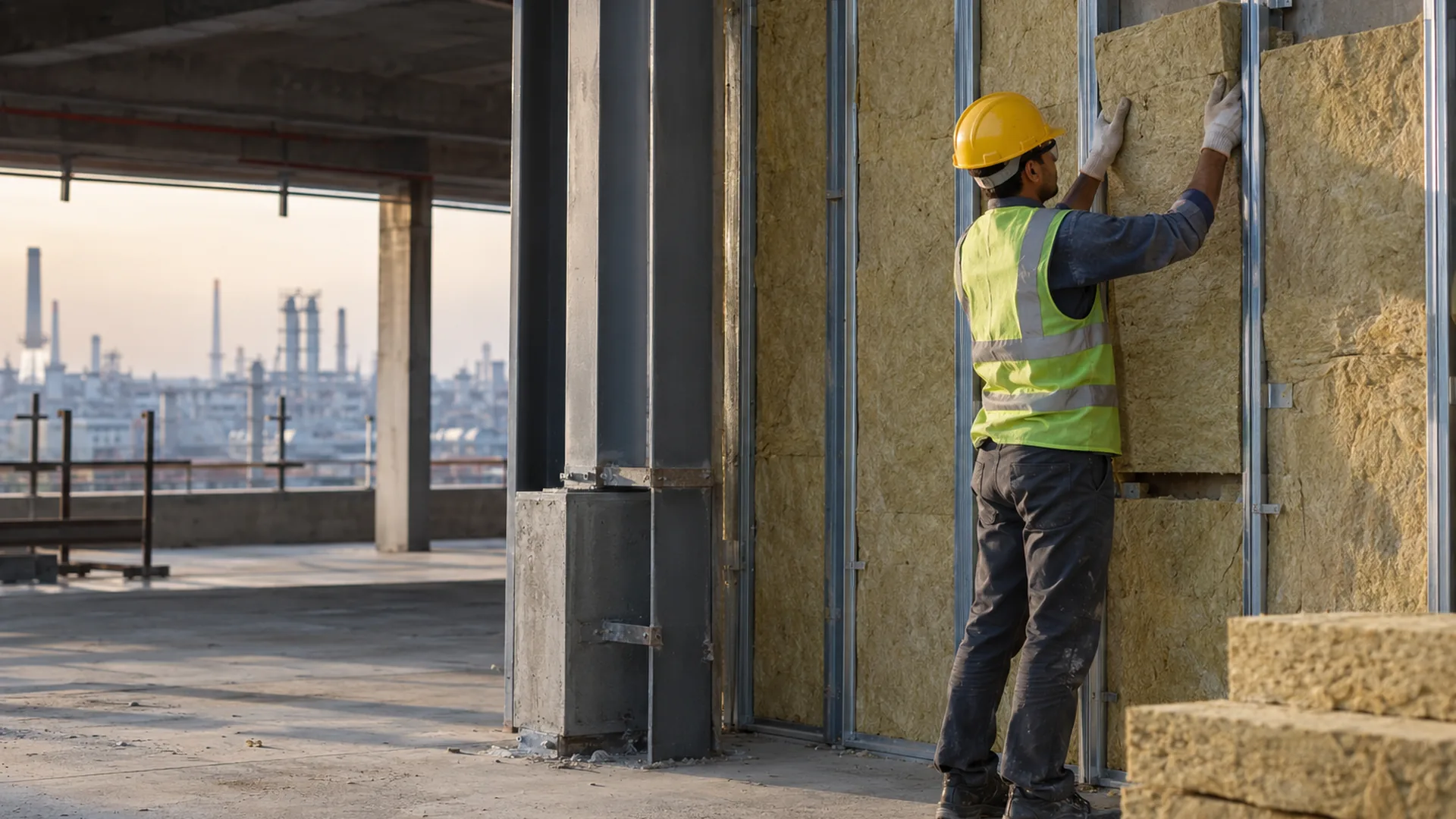
Roof, wall, ceiling and facade insulation for offices, factories, hotels and hospitals, supplied and fitted by us.
Think about a two storey office in Ahmedabad with a flat RCC roof. From about noon the roof slab and the west wall are taking full sun, the slab heats up through the afternoon and then keeps giving that heat back to the top floor well into the evening. The AC is removing it the whole time and the electricity bill shows it. Good thermal insulation in buildings stops a lot of that heat at the roof and the wall, so the AC load comes down and the rooms are more comfortable.
It helps in a couple of other ways as well, which people don't always think about when they ask us for a quote. Wool in a wall or ceiling cuts noise between rooms and from the road. And if you use rockwool, it won't help a fire spread through the wall or ceiling void. We try to cover all of that in one spec instead of three.
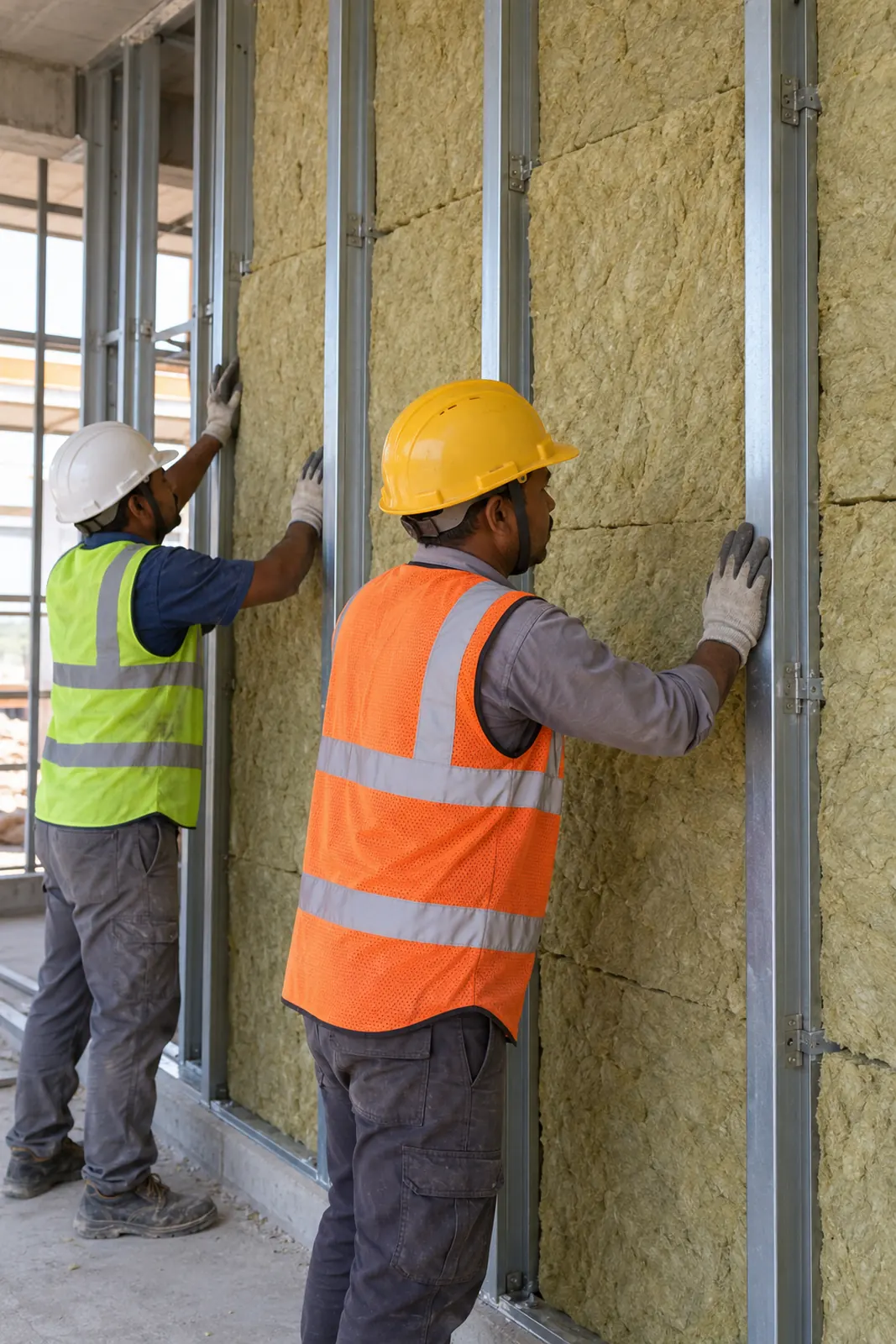
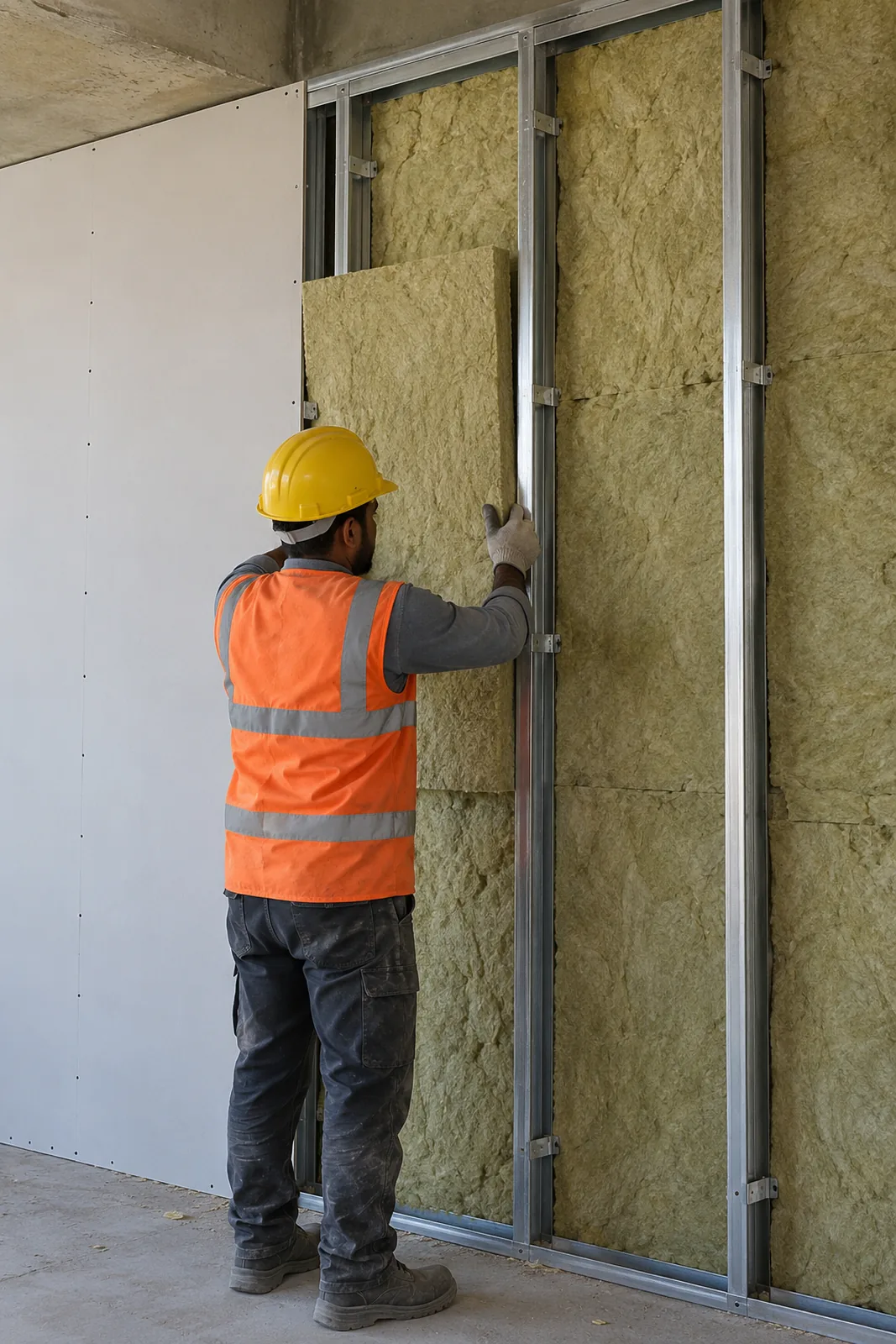
Walls, partitions and facades, especially where the fire rating matters.
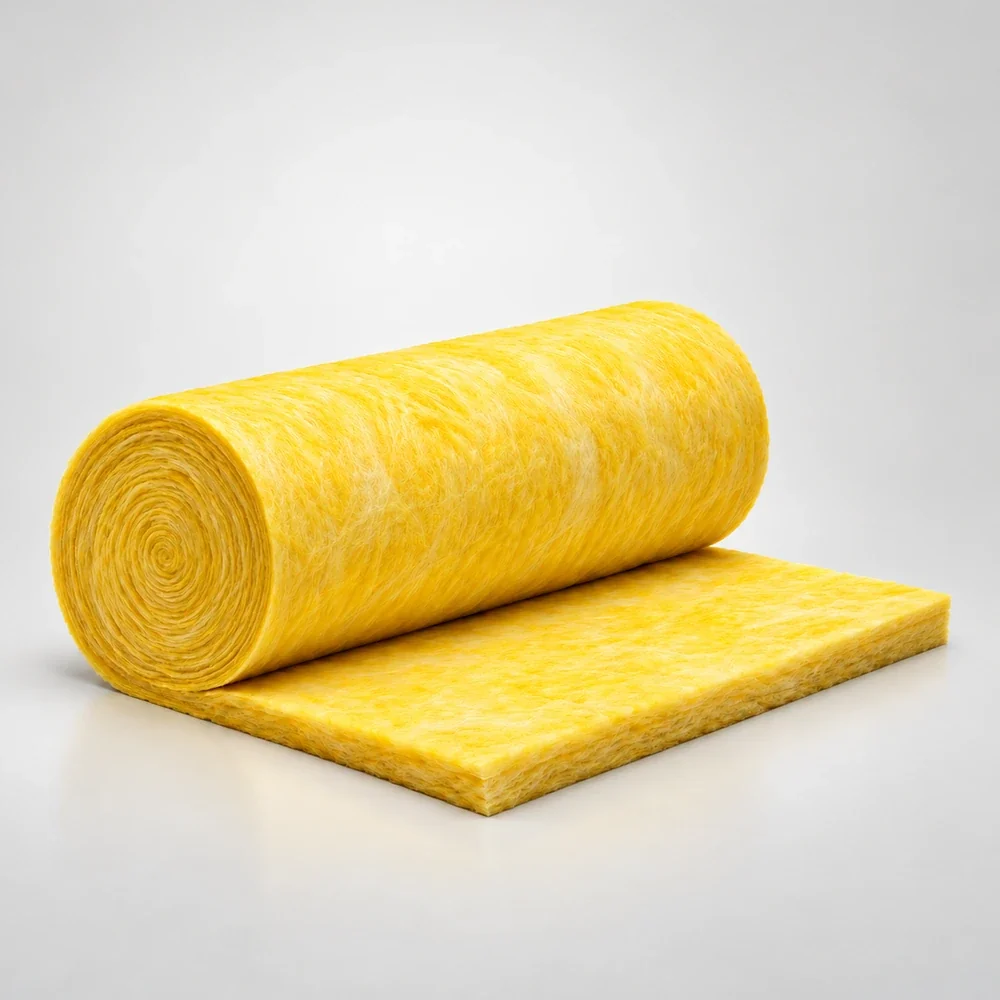
Ceilings, partitions and lighter roofs.
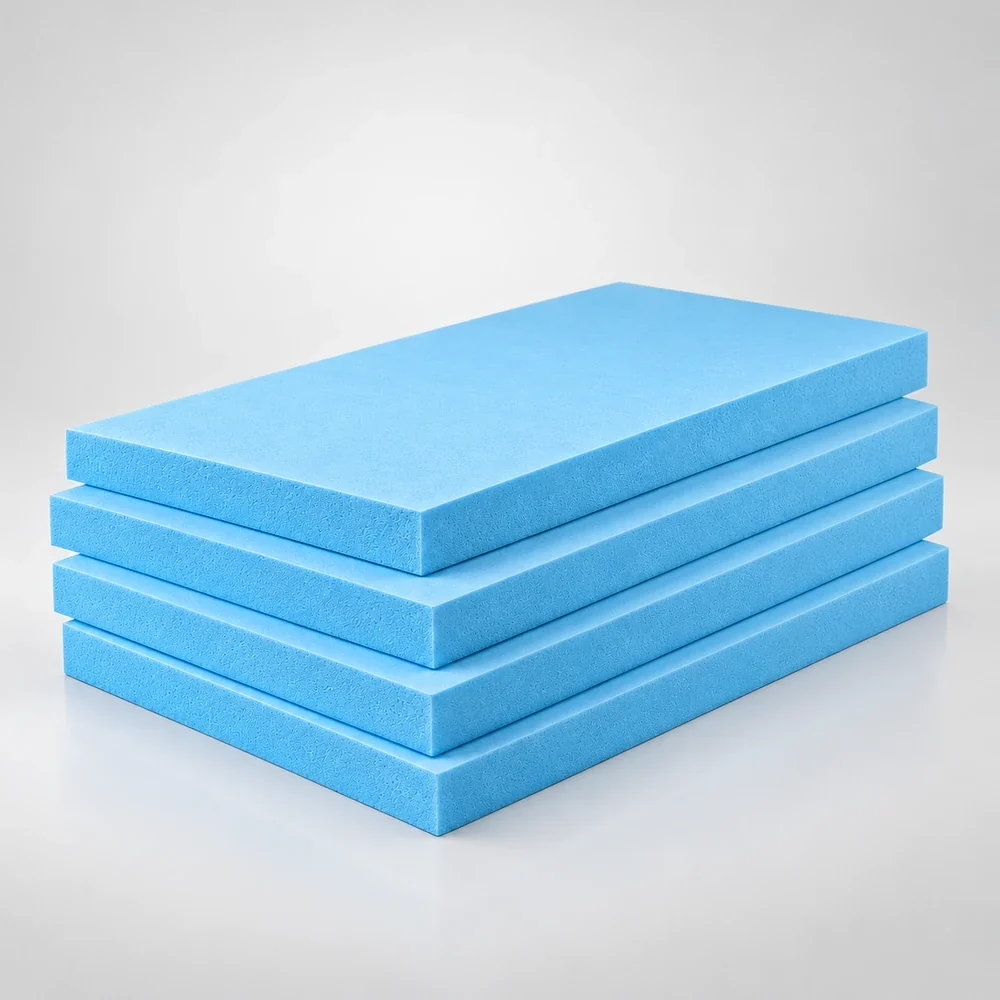
Terraces, floors and walls that carry load or see moisture.
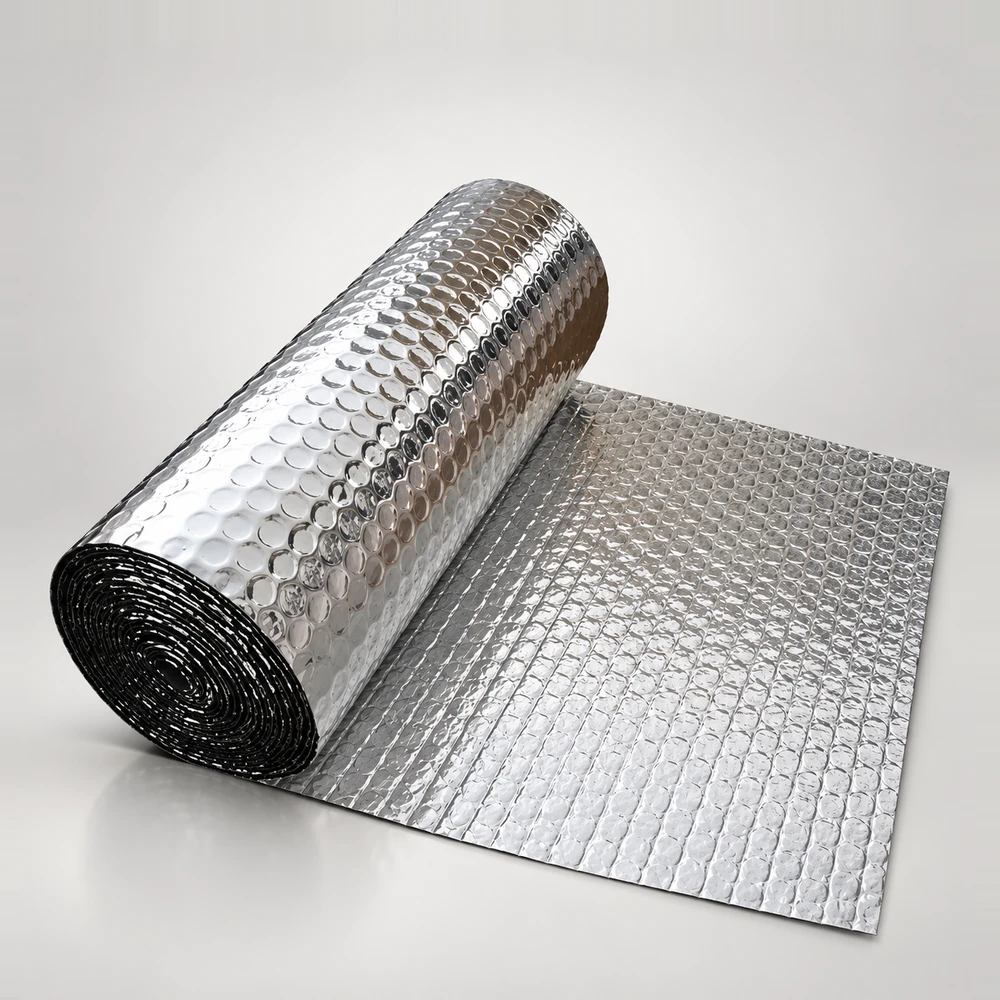
Under roofs and inside walls when you're short of space.
For big roofs and long walls we usually go with insulation rolls because they cover the area quickly. The building roll we use most has aluminium foil on one side. The wool part slows the heat moving through and the foil reflects radiant heat back, so it's doing two jobs as one layer. We fit these foil insulation rolls under metal roofs, above false ceilings and inside stud walls.
Rolls come in a range of densities and thicknesses. Lighter ones are fine in ceilings and walls. Denser ones hold up better against sagging and wind under roof sheeting. We pick the density for where the roll is going to sit, which isn't always the cheapest one on the price list.
With commercial building insulation the client is usually thinking about comfort and the power bill, as in offices, malls, hotels and hospitals that run AC all day. Industrial building insulation is more about the work going on inside, for example keeping a shed workable at 3 pm in May or keeping heat off stock. A lot of the material is the same but the details aren't, so we write each one up separately.
How we work, the same four steps on a single line or a plant-wide shutdown.
We measure the roofs, walls and ceilings, and look at how the building's put together, what it's finished with and how it's used.
Material, density, thickness and fixing get written down for each area, along with the rate and the dates.
Material comes from our stock and our crew fits it, working alongside your civil or interior contractor.
We measure jointly at the end, hand over photos and give you the warranty in writing.
Still unsure? Send us the duty and a few photos and we will tell you what we would fit.
It depends where it's going. For walls and facades where fire matters we'd normally use rockwool, for ceilings and partitions glass wool, for terraces and floors that carry load XPS, and under metal roofs a foil faced roll.
Yes, because the AC has less heat to remove. How much it saves depends a lot on the building, how it's used and how bad the heat gain was to begin with, so we wouldn't promise a figure without seeing it.
Usually yes. We've done plenty of roof, ceiling and wall work in buildings that were open and running, and we just plan it floor by floor or area by area with the client.
We use them under metal roofs, over false ceilings and inside walls, anywhere you want insulation and a reflective layer without fitting two separate products.
Most of what we do is commercial insulation and industrial work, but we do supply material for residential projects and we can fit roof and wall insulation on larger homes and bungalows.

Send drawings or a few photos of the roof and walls. We'll put materials, thickness and a rate down in writing for you.
clients so far, from refineries and power plants to pharma and textile units